Skip to content
“Sustainability is not achieved at a single location. Our global carbon reporting combines data and expertise from our companies around the world to create a shared, transparent foundation. Only in this way can we make informed decisions, pursue our climate targets, and measure our contribution to a more sustainable future.” 
Portrait-Katharina-Candia
Katharina Candia
Global Head of Sustainability

What Is Carbon Accounting?

Carbon accounting is the systematic measurement and reporting of greenhouse gas emissions.
It provides transparency about where emissions are generated and creates the foundation for developing effective climate action measures and tracking progress.
 
At Lohmann, carbon accounting covers two key areas: 
Corporate Carbon Footprint (CCF) – measuring our company’s greenhouse gas emissions.
Product Carbon Footprint (PCF) – calculating the emissions associated with individual products throughout their life cycle.

Our Emissions at a Glance

The following graphics illustrate the various emission sources included in our Corporate Carbon Footprint across the value chain. It also shows how these emissions are categorized into Scope 1, Scope 2, and Scope 3 in accordance with the Greenhouse Gas Protocol.
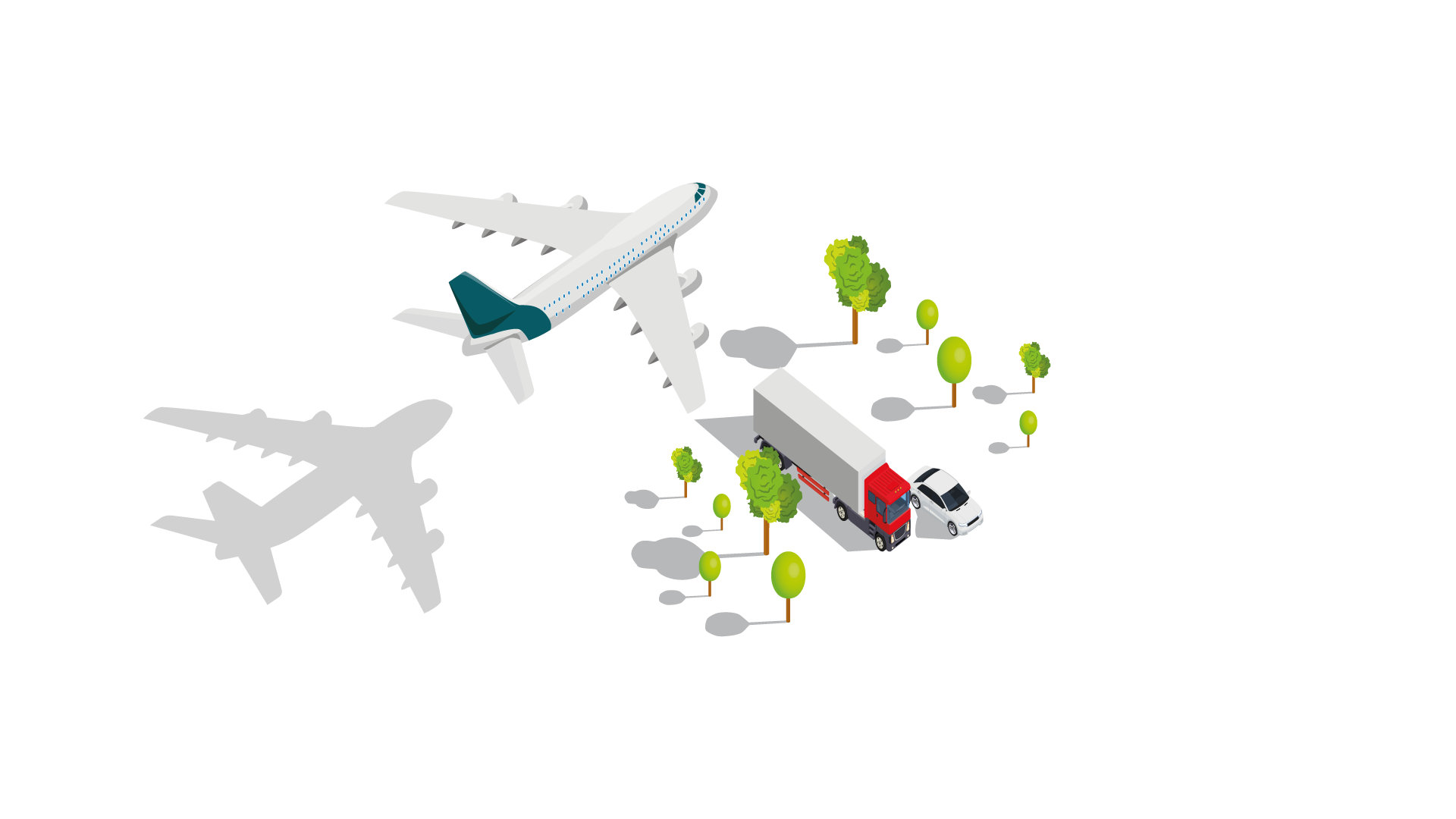
Scope_1_Emissions

Scope 1: Direct Emissions

Production Processes

Fuel consumption

Refrigerant losses

On-site heat generation

Company Vehicle Fleet

Fuel use
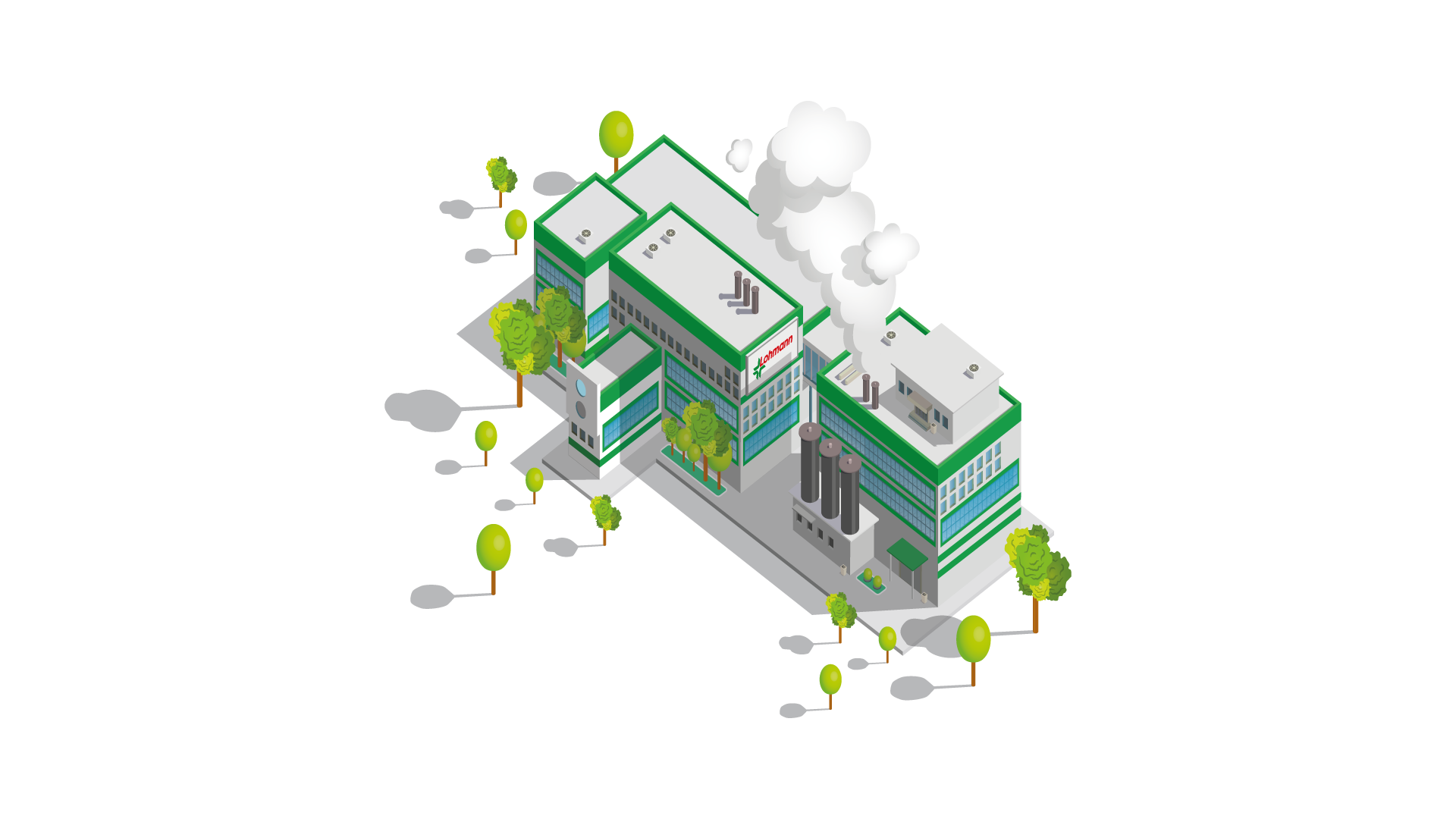
Scope_3_Emissions_01

Scope 2: Indirect Emissions

Electricity Consumption

Heat Supply

Steam Supply
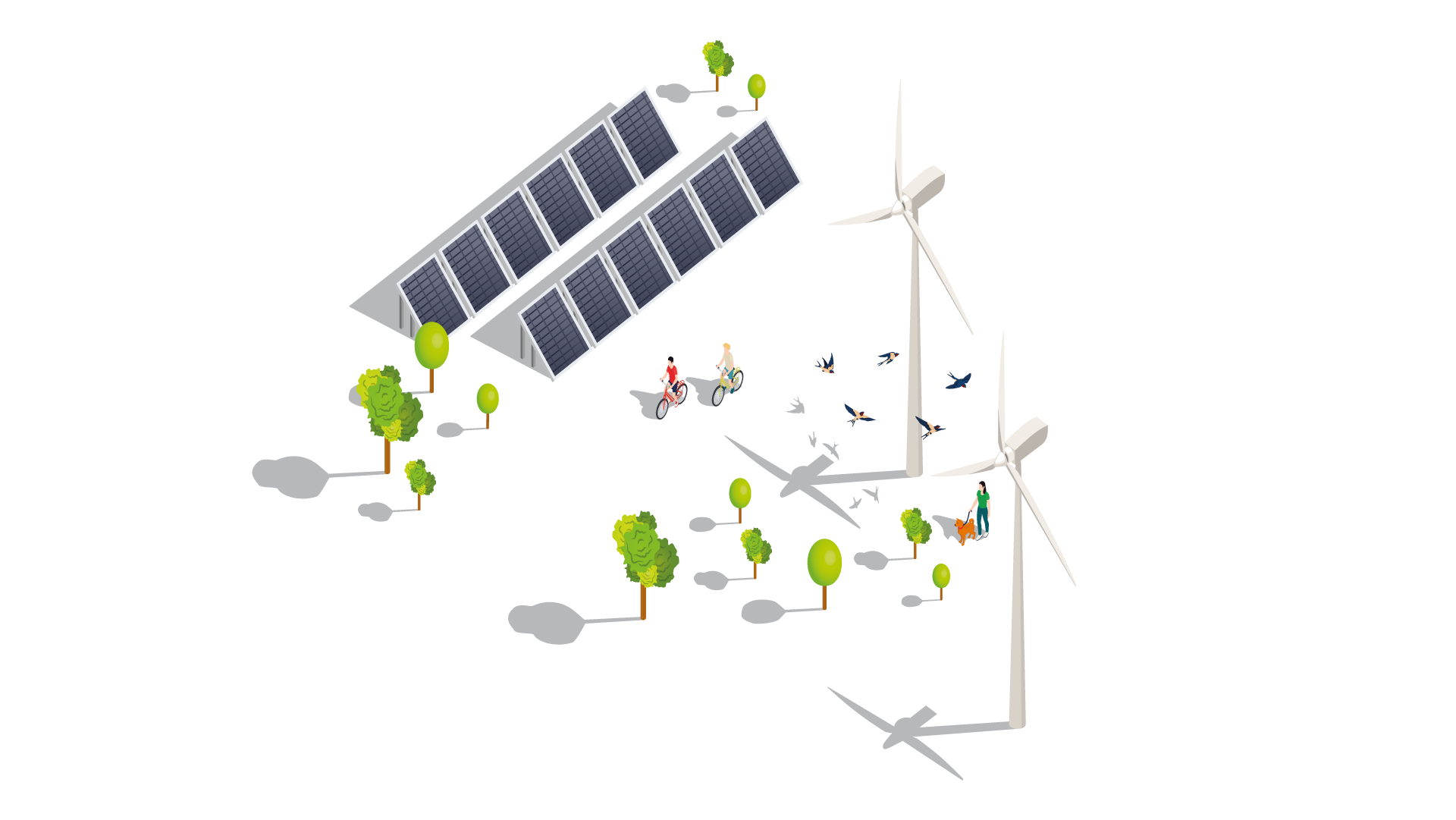
Scope_2-Emissions

Scope 3: Indirect Upstream Emissions

Purchased goods & services

Capital goods

Upstream transportation

Waste and wastewater treatment

Business travel

Employee commuting and home office

Fuel- and Energy-Related Activities
 

Scope_3_Emissions_02

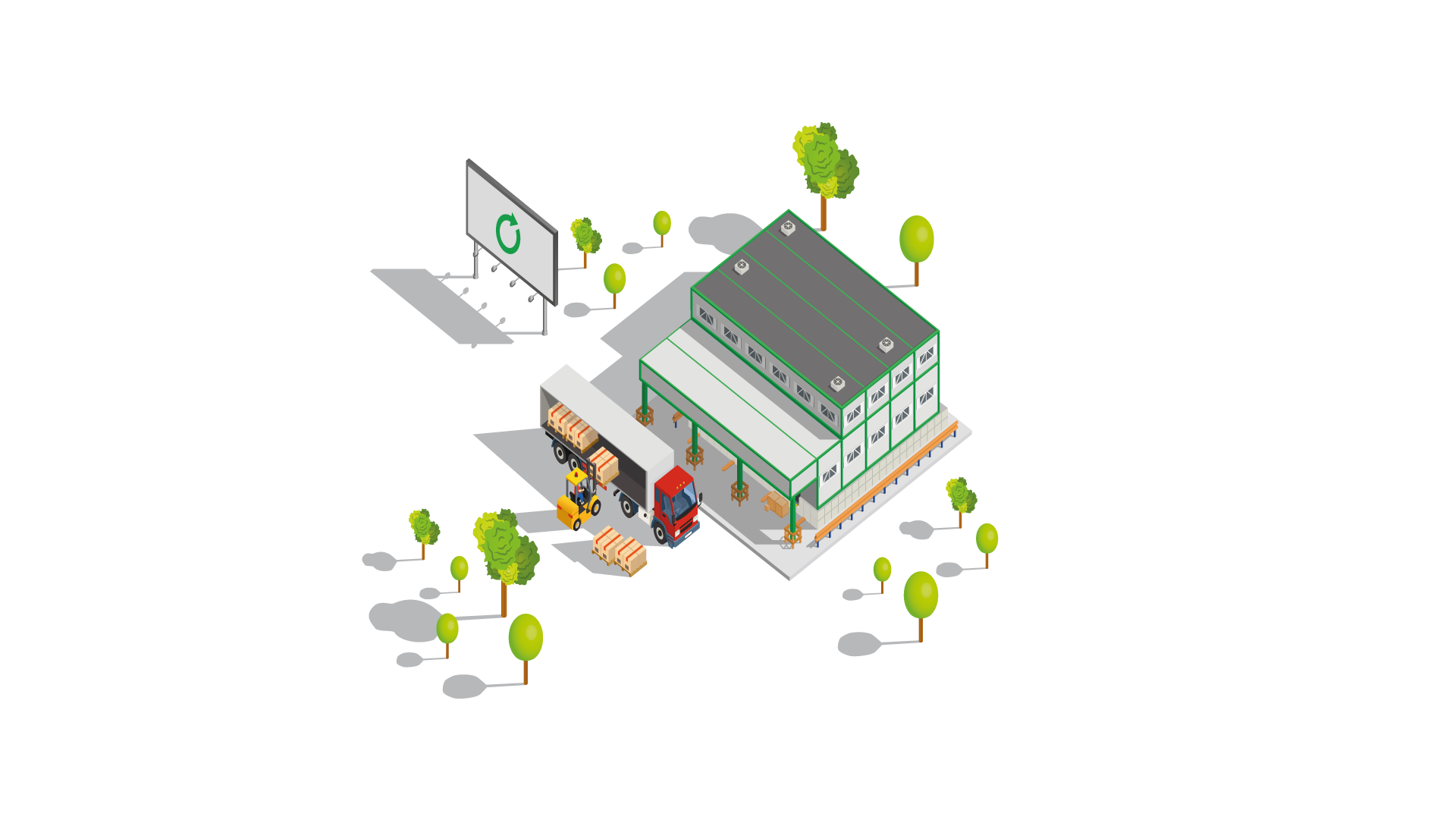
Scope 3: Indirect Downstream Emissions

Downstream Transportation & Distribution

End-of-Life Treatment of Sold Products
Lohmann-adhesive-tapes-production-coating-line-greentape

Why Does Lohmann Calculate Its Corporate Carbon Footprint? 

Our Corporate Carbon Footprint forms the foundation of our climate management. It provides transparency about where greenhouse gas emissions arise across our global value chain and enables us to develop targeted measures to reduce them.

By calculating our footprint regularly, we can:

  • Identify the most significant sources of emissions

  • Measure our progress

  • Pursue science-based climate targets

  • Meet regulatory requirements

  • Provide our customers with transparent information

How Do We Calculate Our Corporate Carbon Footprint?

Lohmann calculates its Corporate Carbon Footprint annually using internationally recognized methods and standards. To do so, we collect and evaluate data from our production sites worldwide as well as from upstream and downstream stages of our value chain.

Our footprint includes direct emissions from our own operations, indirect emissions from purchased energy, and emissions from the most significant areas of our value chain.

Which Standards Do We Follow?

Our carbon accounting is based on the Greenhouse Gas Protocol (GHG Protocol), the world’s leading standard for measuring and reporting greenhouse gas emissions.
Icon-carbon-footprint

The GHG Protocol categorizes emissions as follows: 

  • Scope 1 – direct emissions from sources owned or controlled by the company
  • Scope 2 – indirect emissions from purchased energy
  • Scope 3 – all other indirect emissions across the value chain

Applying this internationally recognized standard ensures transparency and comparability while providing a reliable foundation for our climate management and sustainability reporting.

Carbon Accounting as the Foundation of Our Climate Strategy

Robust carbon accounting forms the basis of our decarbonization efforts. It helps us identify opportunities to reduce emissions, implement science-based climate targets, and document our progress in a transparent and traceable way. 

This creates transparency for our customers, partners, and employees – and allows us to make a measurable contribution to a more sustainable future. 

Downloadcenter: Corporate Carbon Footprint (CCF)

Frame-1
Mechanischs Debonding mit unserer ABC-123 Reihe

(, )

Frame-1
Mechanischs Debonding mit unserer ABC-123 Reihe

(, )

Frame-1
Mechanischs Debonding mit unserer ABC-123 Reihe

(, )

Frame-1
Mechanischs Debonding mit unserer ABC-123 Reihe

(, )

Would You Like to Learn More? 

Would you like to learn more about our greenhouse gas emissions or Product Carbon Footprints? 

Discover our Product Carbon Footprinting Services or contact our Sustainability Team. 

Portrait-Katharina-Candia
KatharinaCandia
Global Head of Sustainability
Portrait-Oliver-Sombrey
Oliver Sombrey
Clerk Global Sustainability Office