


When specifying electrical insulation tape for high-voltage battery applications, the material datasheet rarely tells the full story. Dielectric strength, CTI, and volume resistivity are three of the most important performance parameters - and also among the most underspecified during early material selection. Understanding these values and knowing how to validate them can make the difference between a tape that works in testing and one that performs reliably in EV Battery series production.

Three critical parameters for electrical insulation tape in high-voltage battery architectures
Dielectric strength sets the maximum voltage a material can withstand before breakdown. In high-voltage battery architectures, this is the baseline requirement. For PET-based tapes, thickness governs this value directly, but every additional micron also affects weight and stack height in a system where both are tightly constrained.
CTI, the Comparative Tracking Index, measures resistance to electrical surface creepage under contamination and moisture. It is one of the most consequential values in real production environments, where perfectly clean surfaces are rarely guaranteed.
Volume resistivity defines the bulk electrical resistance of the material itself. Initial values matter. Stability across thermal cycles matters more. In a battery that charges and discharges daily, a tape that degrades in resistivity over time introduces measurable risk.
These three parameters, validated against IEC and ASTM standards, are a strong starting point for determining whether an electrical insulation tape is genuinely fit for series production in modern battery manufacturing.
From material specification to production-ready die-cut insulation solutions
Material performance, however, is only part of the picture. The format in which electrical insulation tape is supplied - rolls, spools, or precision die-cuts - has a direct impact on process efficiency and quality assurance in EV battery assembly.
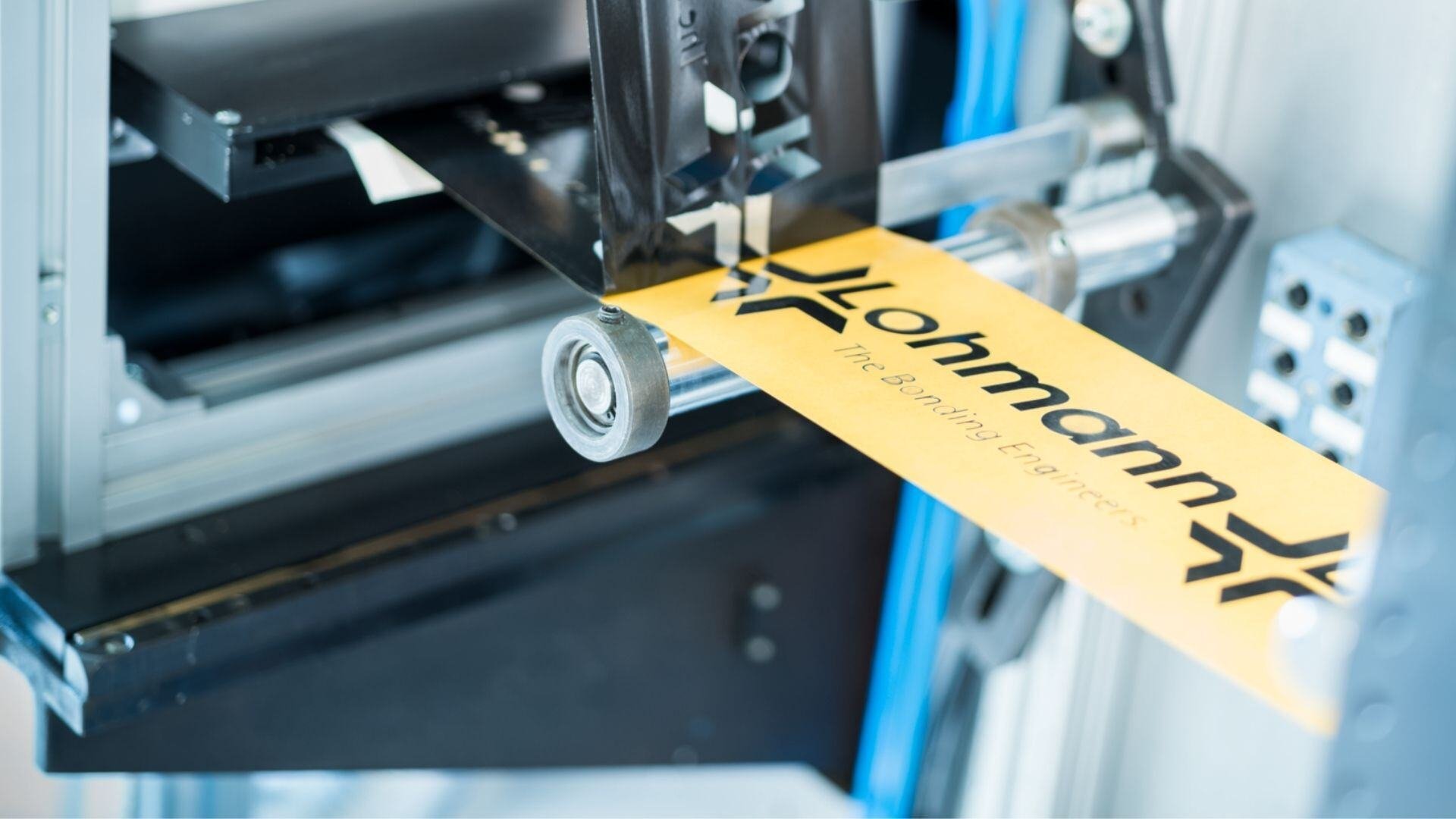
High-precision die-cuts eliminate the cleanliness and squeeze-out issues associated with liquid adhesives, while colored tape variants enable reliable detection by camera systems in automated assembly lines. This matters when scaling from prototype to series production, where process-related rejects at volume cannot be absorbed.
At Lohmann, understanding these values and knowing how to test them is built into how we develop products. With in-house process capabilities and testing understanding aligned to international norms, we have designed a portfolio that is precisely tailored to the demands of a fast-growing and ever-evolving battery industry.
Talk to our Battery Experts
Electrical insulation performance in EV battery assemblies is defined long before a tape reaches the production line. Specifying the right parameters, validating them correctly, and selecting a delivery format that supports your assembly process are decisions that compound in significance as volumes scale.
At Lohmann, our application engineers work alongside R&D and manufacturing teams from concept through to series integration.
Is there a specific application you would like to discuss? Our Lohmann experts are available for consultation - reach out and we'll take a look together.




-3.jpg?width=767&name=2026%20175%20Jahre%20Website%20(2)-3.jpg)